

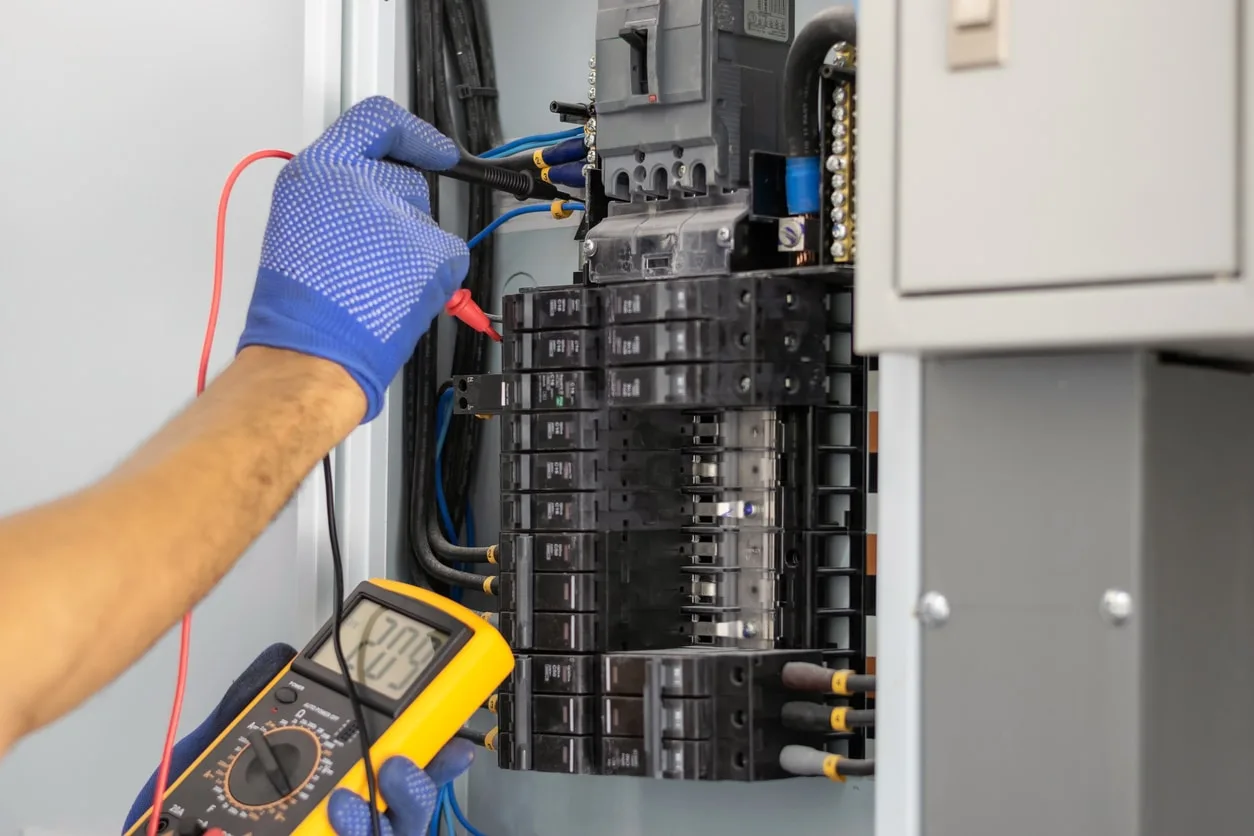

Choosing a new electrical panel is a major decision that may affect your home for the next 50 years. There are many options on the market, and you may be unsure which to choose for your home. Each type of electrical panel has its own advantages and drawbacks, so understanding the pros and cons can help you make a confident, informed decision.
Main Breaker Panel
A main breaker panel is the most common choice for residential applications. These electrical panels include the main breaker, main lug, and circuit breakers. Important considerations include the amp coverage and the circuit capacity. You need a panel that meets your household’s power demands and has enough circuits for all your devices.
Main Lug Panel
A main lug panel has the lug and circuit breaker array but no main breaker. This means that it’s essentially a pass-through that does not close or open the circuits. Such panels are useful when a home has multiple distribution points. Consider a large house that has a separate main breaker connecting to one lug panel for the main house and another for the guesthouse.
Subpanel
A subpanel is similar in concept to a main lug panel. The main differences are that they generally have smaller form factors and are designed for direct connection to a main breaker panel. Consider a main panel that has the capacity for more circuits but not the physical space for the breakers. An electrician can use a subpanel to provide more room.
Fuse Box
A fuse box is a main panel or subpanel that hosts fuses rather than modern circuit breakers. While fuses are mostly phased out, they are still used for sensitive electronics. You can, for instance, have a fuse box for a server room and a main panel that facilitates power for all other aspects of the house.
Smart Panels
Smart panels are electrical panels with home automation capabilities. They can communicate with your other smart devices and allow for remote access and control. Smart panels often have advanced capabilities as well, such as energy monitoring and reporting.
Code Compliance
Installing an electrical panel requires a permit, which you must finalize through an inspection with a local code-compliance official. Most experts warn against selecting a panel without the guidance of a licensed electrician.
Warranty
Major manufacturing defects with modern electrical panels are highly uncommon. That said, it’s better to be safe than sorry. Warranties can vary greatly from one panel to the next. Read the fine print to know the length and extent of the coverage. The best warranties will often compensate you if a defect leads to electrical damage beyond the panel itself.
Surge Protection
Electrical panels don’t have integrated surge protection. Your electrician will install surge protection as required by the local building codes. The National Electrical Code, for instance, requires a Type 2 surge protection device, which is installed on the load side between the panel and the rest of the home’s electrical system.
If it is time for you to replace your electrical panel in your home, consult with an electrician. They will make sure the job is done right and that you make the best selection for your circumstances. Cornerstone Pros is the trusted, local electrical company for electrical panel upgrades in Tampa Bay, FL, so contact the team today to schedule a panel inspection.