

Heat pump sales have been outpacing furnace sales in the United States since 2021, and they experienced their biggest jump yet — about 37% — in 2024. Whether a heat pump is the right choice for your home depends on various factors, including the local climate and the size and layout of the house. Let’s explore the potential advantages and disadvantages.
Pro: Dual Functionality — Heating and Cooling
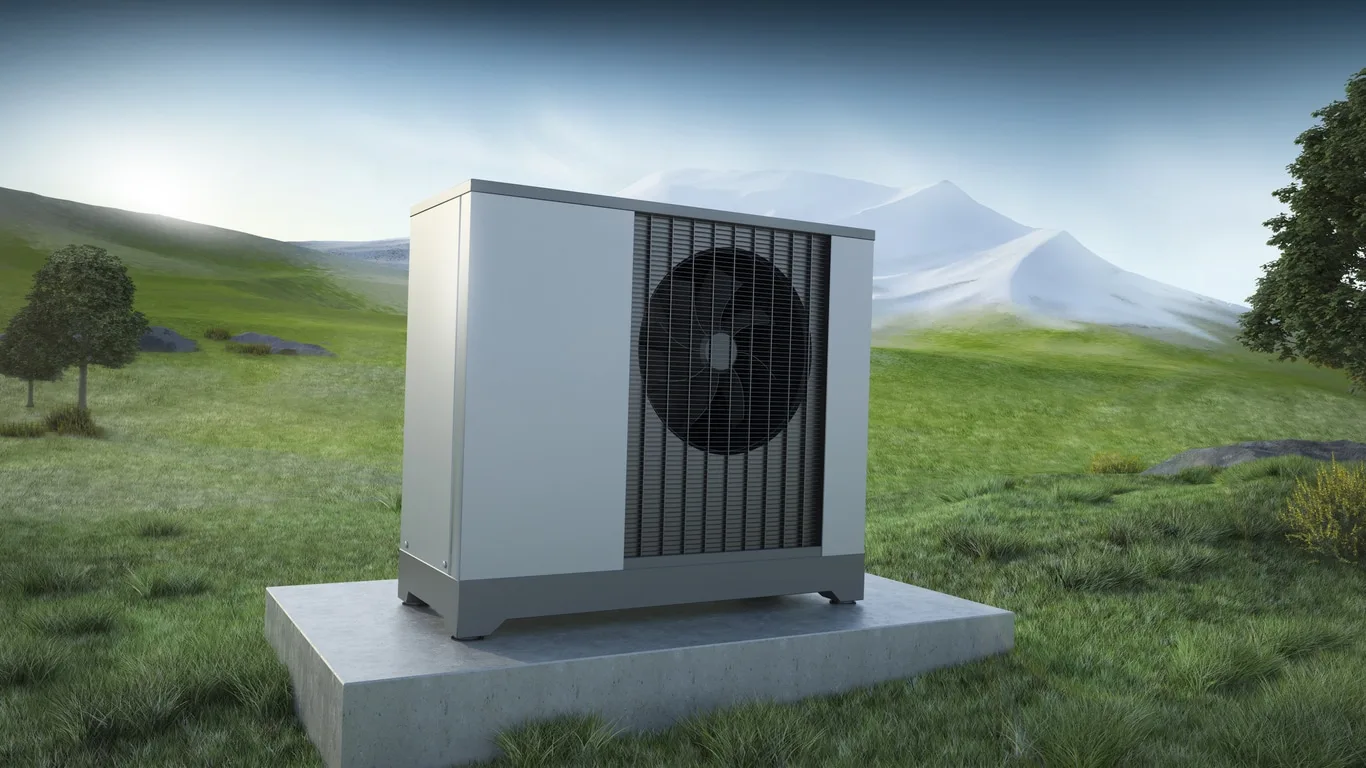
Air conditioners function by moving heat energy from inside the home to the ambient air. Air-source heat pumps are similar but have a valve that reverses the refrigeration cycle. That allows them to provide heating by moving heat energy from the ambient air into the home. There are also geothermal heat pumps that transfer heat energy to and from the ground. No other HVAC system can provide both heating and cooling like this.
Con: Cold Weather Performance
Most U.S. homeowners switching to heat pumps are opting for mid-efficiency air-source models. These systems are very efficient in the right scenarios and deliver excellent value for the money. The downside is that they aren’t as efficient in extremely cold temperatures. Fortunately, this isn’t a concern in Florida. Ductless heat pumps for use in colder climates often have electric resistive strips for auxiliary heating in cold weather. For central systems, it’s common to pair the heat pump with a furnace in a hybrid heating configuration.
Pro: Higher Energy Efficiency
For cooling, ACs and heat pumps are equally efficient, and high-SEER2 models are available for each. For heating, heat pumps are much more efficient than the alternatives, much of the time. Consider that a standard fuel-burning furnace is about 80% efficient, which means that it wastes 20% of the fuel it burns. Even condensing furnaces are less than 100% efficient, ranging from 90% to 98.5%. Heat pumps, on the other hand, are 300% to 400% efficient.
Con: Higher Initial Costs
Upgrading to a heat pump can be more expensive than ACs, furnaces, and boilers, as heat pumps tend to have higher sticker prices. Homeowners who switch to a heat pump may incur additional costs related to the initial conversion.
Pro: Lower Total Cost of Ownership
A big allure of heat pumps is that they can save you considerable money over the life of the equipment. Tax credits, rebates, and other energy incentives may help you offset some of the initial costs. And the lower monthly heating bills really add up over time. The average heat pump lasts 15 years, and proper maintenance can extend this lifespan. In colder climates, dual-fuel heat pumps can save even more money over time. They reduce heating costs during the coldest weather, helping to avoid a premature auxiliary furnace replacement.
If you’re planning to replace your HVAC equipment, consult our team at Cornerstone Pros to determine if a heat pump is right for your home in Tampa Bay.