

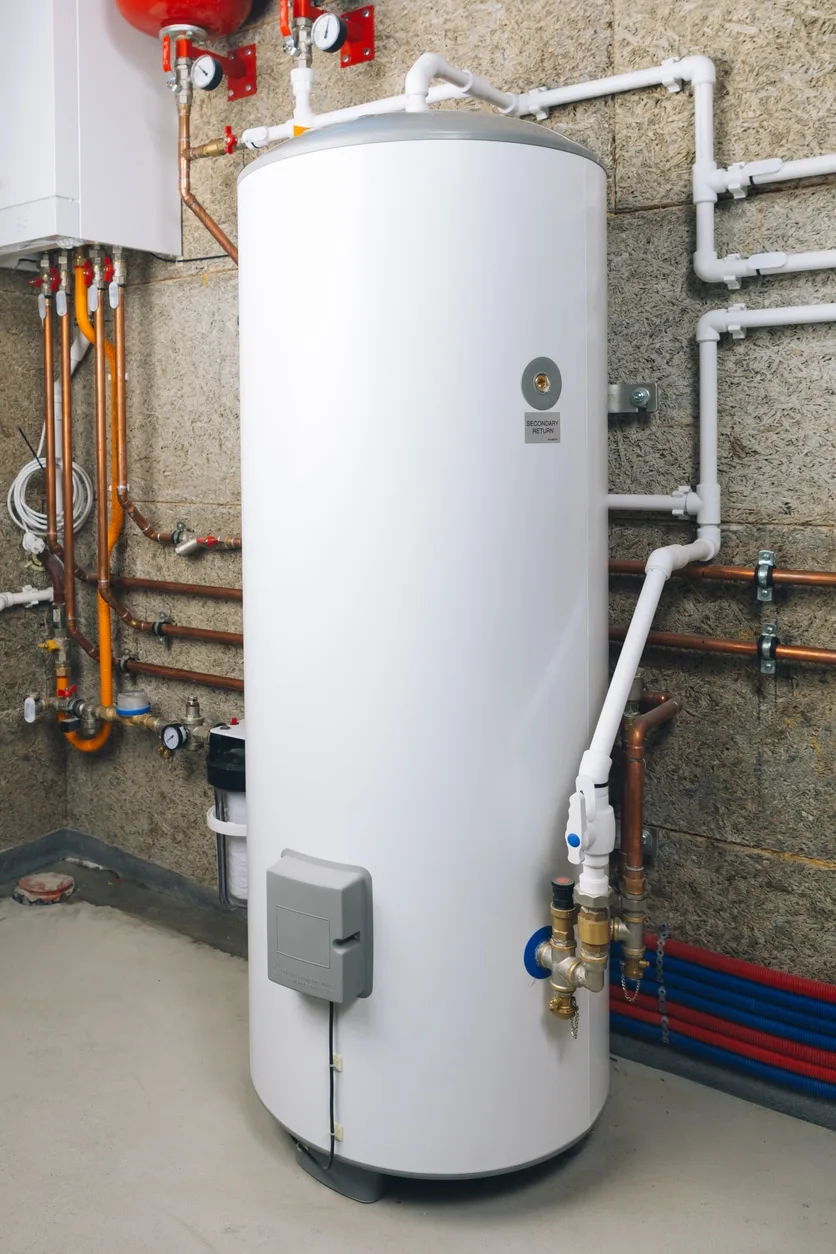


When your water heater is working properly, everything is right with the world. But sometimes, these household appliances begin to corrode on the inside. You can’t see the problem, but warning signs will appear sooner rather than later. Plumbing experts offer some tips on what to look for.
That Darn Rust
Rust can destroy many household appliances, and once rust begins its corrosive trail, your water heater tank may not operate efficiently. Rust occurs when metal is exposed to water, and if it’s an old water heater, it’s not unusual for the heating element to break down. According to professional plumbers, a water heater has up to a 10-year lifespan.
Corrosion doesn’t have to mean saying goodbye to your tank. It could mean a partial replacement, and then, you’re good to go. However, that darn rust can affect newer units, too, developing in water heaters that were purchased eight years ago.
Discolored Water
If your water heater is “polluting” the water passing through your plumbing, you will notice discolored, hot water coming from your sinks, shower, and tub. The corrosion often appears brown, red or orange.
Faulty Anode Rod
Sometimes, the culprit is the anode rod. This important component, located in your water heater tank, is designed to attract corrosive elements. The anode rod sacrifices itself to protect the tank from corrosion. However, this part can’t last forever, and if the rod becomes depleted or corrodes as a component itself, it will lead to tank corrosion and leaks.
Unusual Noises
Your water heater could also be making strange noises, such as popping or kettling. Calcium and magnesium, hard water minerals, can collect and form a thick layer of sediment. Corrosion encourages this by creating surfaces where sediment can adhere at the bottom of the tank.
Sediment can cause the tank to work harder and longer to heat the water. You may start to notice an increase in your energy bills because of this corrosive result.
If your tank fails at some point, it may indicate that the corrosion was extensive enough to destroy the appliance’s main operation. You may need to replace your water heater tank.
Rusty Valves
Another sign to look for is rusty valves. If you detect rust on the water inlet valve or the pressure relief valve on the outside of your water heater, that means that “hidden” rust is also present inside the tank.
We’re Here to Help
If you’ve discovered the hidden signs of a corroded water heater tank, then take action today! Contact our expert team at Cornerstone Pros for the best water heater repair services in Tampa Bay, FL.